
Improving your home can be exciting. A fresh coat of paint, a beautiful kitchen, new lighting, or a modern bathroom can make your space feel completely different. But here’s the catch: not every improvement is actually an upgrade. Some projects make your home more comfortable, functional, or valuable. Others drain your bank account while giving you something that looks good for a short time. Knowing the difference can save you money and help you create a home that works better for your everyday life.

Start With the Problem, Not the Trend
Before starting any home project, ask yourself one simple question: What problem am I trying to solve? If your kitchen lacks storage, adding practical cabinets could be a worthwhile improvement. If your bedroom is too dark, better lighting or larger windows might make a meaningful difference. But if you’re replacing perfectly good features simply because something new is trending, you may want to think twice. A home upgrade should ideally solve a real problem or improve something you genuinely use.
Think About How You Live
Your home should fit your lifestyle, not someone else’s Instagram feed. A huge dining table may look fantastic, but if you rarely host guests, it could simply take up valuable space. Likewise, an elaborate outdoor entertainment area may not make sense if you prefer quiet evenings indoors. Before spending money, think about how you actually use your home. The best improvements often make everyday routines easier, more comfortable, and more enjoyable.
Not Everything Expensive Adds Value
It’s easy to assume that spending more automatically makes a home better. Unfortunately, that isn’t always the case. Premium finishes, expensive appliances, and luxury fittings can certainly improve a property, but their benefits depend on the home and its surroundings. Spending a huge amount on one feature while ignoring basic maintenance may not be the smartest use of your budget. Fixing leaks, improving ventilation, repairing damaged surfaces, or addressing electrical and plumbing problems can sometimes matter much more than adding another luxury feature.
Consider the Long-Term Cost
The upfront price isn’t always the full cost of an upgrade. Some improvements come with ongoing maintenance, higher energy consumption, replacement costs, or specialized repairs. Before committing to a project, think beyond installation day. Ask yourself how much it will cost to maintain, how long it should last, and whether you’ll still appreciate it several years from now. A cheaper improvement that lasts for years can be far more useful than an impressive feature that constantly demands money and attention.
Will You Actually Use It?
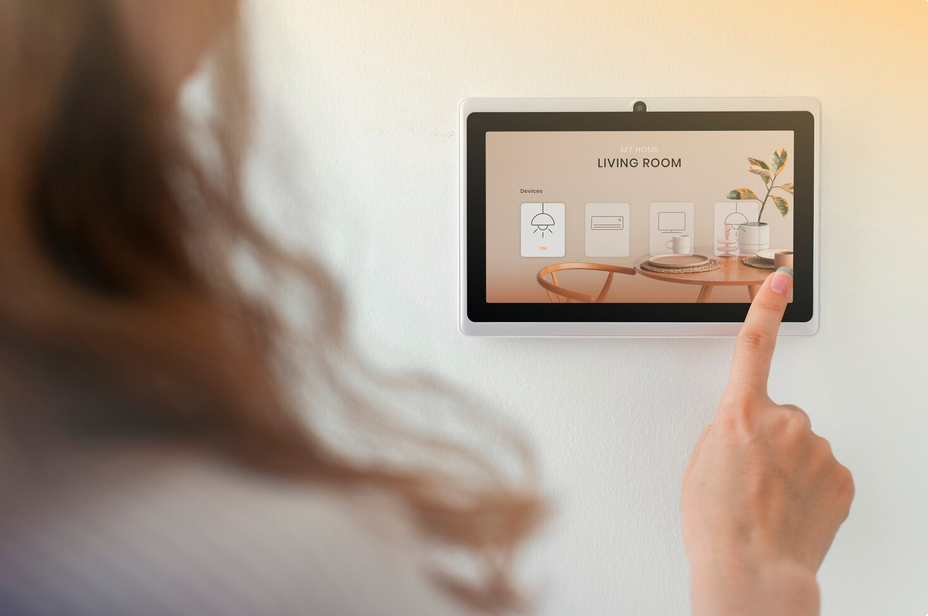
This might be the most overlooked question in home improvement: Will I use this? Excitement can make people spend money on features they barely touch. A home gym that becomes a storage room, a complicated smart-home system nobody uses, or a decorative feature that requires constant upkeep can quickly become an expensive distraction. Before buying something, imagine your ordinary Tuesday—not your ideal weekend. If the improvement still sounds useful, it may be worth considering.
Don’t Ignore Simple Improvements
Not every worthwhile home upgrade needs to be dramatic. Sometimes the smallest changes have the biggest impact. Better lighting, improved storage, fresh paint, updated hardware, improved insulation, or a more practical room layout can transform how a home feels without requiring a massive renovation. These projects may not generate the same excitement as a major remodel, but they can make daily life noticeably better.
A genuine home upgrade isn’t necessarily the most expensive or fashionable improvement. It adds meaningful value, solves a problem, improves functionality, or makes your home more comfortable. Before starting your next project, step back and ask what you’re really trying to achieve. If an improvement solves a genuine problem and fits your lifestyle and budget, it could be money well spent. If you’re doing it simply because everyone else is, it might be worth putting the credit card away.