
Picking an air conditioning system can feel like choosing between two very different machines at the same store. Brisbane air conditioning services can help homeowners assess their property, but the first question is simpler: do you need targeted cooling or whole-home comfort? Split systems and central air conditioning can both get the job done, but they operate in very different ways. Choose poorly, and you could end up paying for capacity you barely use. The good news is that this decision does not need to become a technical rabbit hole. Your home’s layout, cooling habits, budget, and installation options tell most of the story. Let’s break it down without making your brain feel like an overheated attic.
Split Systems Give You Targeted Control
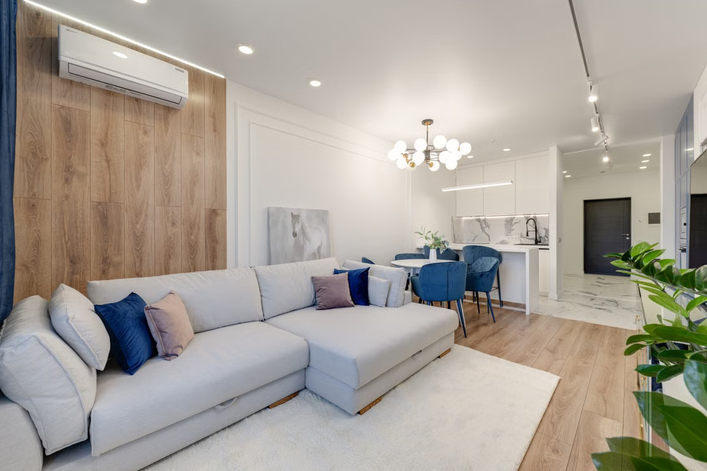
A split system is great when you want to cool specific rooms instead of the entire house. The indoor unit sends conditioned air directly into the selected space, so you can focus cooling where people actually spend time. That can be handy in a bedroom, home office, or living room. You are not blasting cold air into an empty guest room just because the system happens to cover it. This setup can also suit homes without existing ductwork. Installation is generally more straightforward because there is no need to build an extensive network of ducts throughout the property. You can also run individual units at different temperatures in separate rooms. That gives your household more control, especially when one person likes their bedroom cold enough to preserve penguins.
Central Air Covers the Whole House
Central air conditioning takes a different approach. Instead of cooling individual rooms with separate indoor units, it distributes conditioned air through ductwork. This makes it a strong option for larger homes where consistent temperatures across several rooms matter. One system can create a more unified cooling experience throughout the property. There is a trade-off, though. Installing central air can involve more planning, especially if your home does not already have suitable ductwork. The installation may require access to ceilings, walls, or other building areas. That can increase project costs and installation time. Still, for households wanting whole-home cooling from one main system, the investment can make practical sense.
Your Home Layout Always Matter
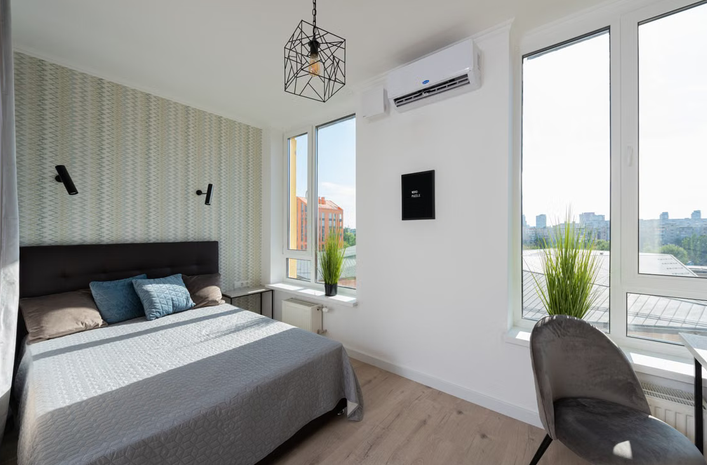
Your floor plan should have a major vote in this decision. A compact home with a few commonly used rooms may work beautifully with strategically placed split systems. A sprawling property with several bedrooms and connected living areas may benefit from central cooling. The number of rooms matters, but so does how those rooms connect. Your daily routine matters too. If everyone disappears into different rooms during the day, individual temperature control can be useful. If the family mostly occupies the house together, central cooling may provide a simpler experience. Look at how your home actually operates rather than choosing based on a glossy brochure.
Comparing Installation Options Will Give You Definitive Answers
Budget is where the decision gets interesting. Split systems can offer a lower entry cost for smaller spaces because you can install units as needed. Central systems can require a bigger initial investment, particularly if ductwork needs to be added. Running costs also depend on insulation, system efficiency, outdoor temperature, and how aggressively you use the cooling. Maintenance deserves attention as well. Filters, outdoor components, indoor units, and ductwork all need appropriate care. A neglected system can lose performance and consume more energy. Think of maintenance like changing the oil in a car: ignoring it does not make the problem disappear.
Matching the System Should Not Be Hard
There is no universal winner in the split system versus central air conditioning debate. Split systems make sense for targeted cooling, flexible room control, and homes without existing ducts. Central air can shine in larger properties where consistent whole-home comfort is the priority. The right choice depends on what your house needs, not what sounds most impressive. Before committing, consider your floor plan, budget, cooling habits, installation requirements, and long-term running costs. A professional assessment can also reveal problems you may not notice from the sofa. Get those factors right, and your home can stay comfortable without turning every summer afternoon into a battle against the thermostat.…